
Building a custom home is a thrilling opportunity to design a space tailored to your lifestyle, preferences, and needs.
Unlike purchasing an existing home, a custom build gives you complete control over the layout, materials, and special features. However, the process can feel overwhelming if you’re not familiar with the steps involved. In this guide, we’ll walk you through the custom home building process, from initial planning to move-in day.
Brian Yambor
Initial Consultation & Planning
Before breaking ground, the journey starts with defining your vision. This stage involves:
Choosing Your Lot: If you haven’t already, selecting the right location is crucial. Consider factors like proximity to schools, work, and amenities.
Setting a Budget: Establishing a clear budget helps guide decisions on design, materials, and custom features.
Finding the Right Builder: Research and select a reputable builder with experience in custom homes. They will help turn your ideas into a feasible plan.
Once you have a rough idea of your vision and budget, your builder and design team will work with you to develop initial plans.
Design & Architectural Phase
This stage is where your dream home starts to take shape on paper. You’ll collaborate with architects and designers to create detailed blueprints and 3D renderings. Key considerations include:
Layout & Floor Plan: Determining the number of bedrooms, bathrooms, and special spaces like a home office or gym.
Exterior & Interior Design Choices: Selecting architectural styles, roofing, windows, and interior features such as cabinetry, flooring, and fixtures.
Energy Efficiency & Smart Features: Incorporating sustainable materials, energy-efficient appliances, and smart home technology.
Once the design is finalized, it’s time to secure the necessary permits and approvals
Permits & Site Preparation
Before construction begins, permits must be obtained from local authorities. This ensures your home complies with zoning laws, safety regulations, and building codes. Site preparation includes:
Clearing & Grading: Removing any existing structures, trees, or obstacles and leveling the land for construction.
Utility Connections: Installing water, sewer, gas, and electrical hookups.
Laying the Foundation: Pouring the foundation, whether it’s a slab, crawl space, or full basement.
Once the foundation is set and cured, the real construction work begins.
Construction & Inspections
This is the longest and most exciting phase, as your home physically comes to life. The process includes:
-
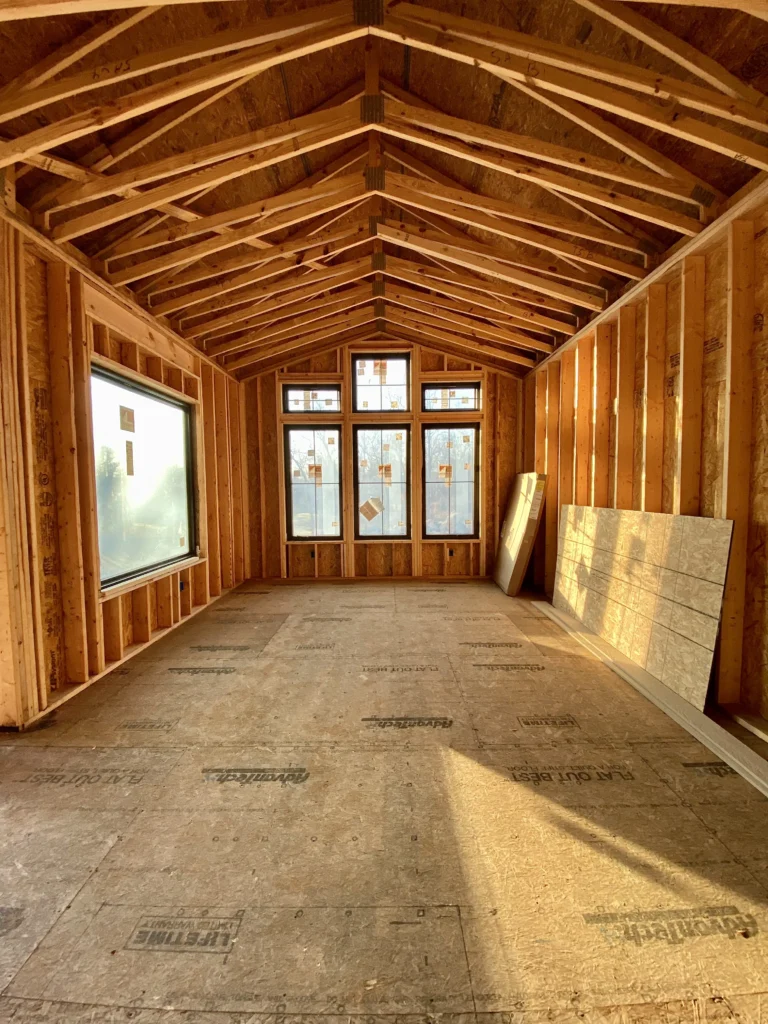
Framing: The structural skeleton of your home is built, including walls, floors, and the roof.
-
Plumbing, Electrical & HVAC Installation: Critical systems are installed to ensure proper functionality.
-
Insulation & Drywall: Ensuring your home is energy-efficient and structurally sound.
-
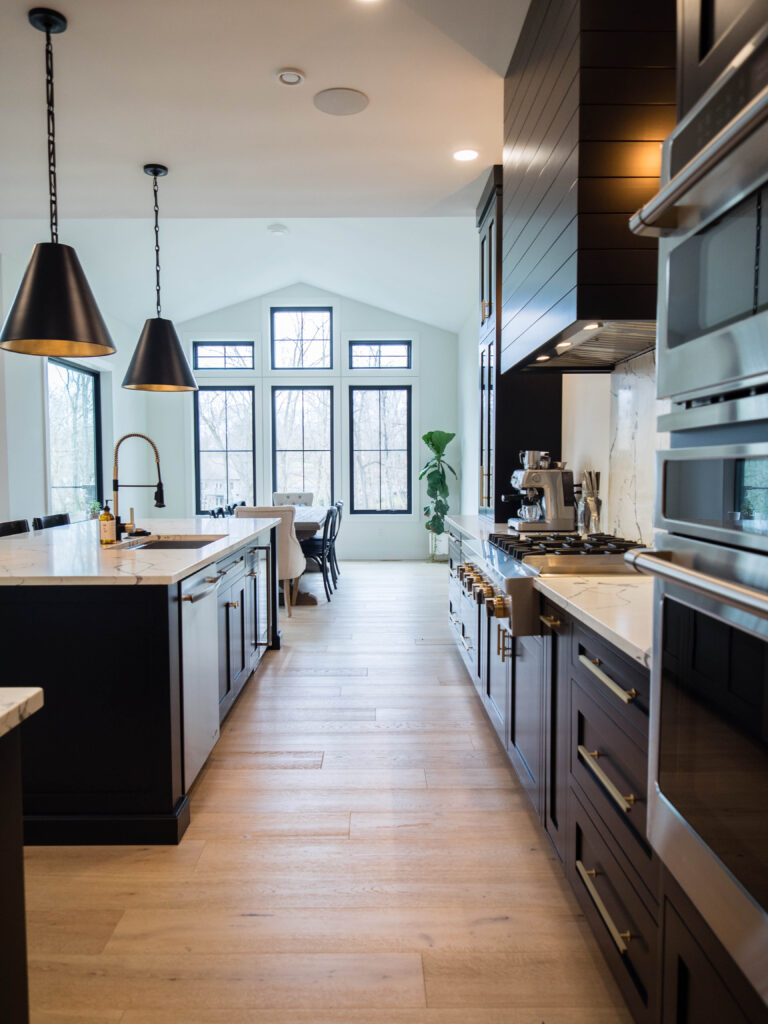
Interior & Exterior Finishes: Painting, flooring, cabinetry, and final exterior work like siding and landscaping.
Throughout construction, inspections are conducted to ensure the home meets safety and building code standards.
Final Walkthrough
& Move-In
Before you get the keys, a final walkthrough is conducted with your builder. During this step:
-
Punch List Completion: Any last-minute adjustments or touch-ups are addressed.
-
System Checks: Ensuring all appliances, plumbing, electrical, and HVAC systems function properly.
-
Warranty & Maintenance Overview: Understanding your home’s warranty and how to maintain key systems.
Once everything is approved, you’re ready to move into your brand-new custom home!
Conclusion
The custom home-building process is a rewarding journey that allows you to create a home tailored to your lifestyle. While the process requires careful planning, partnering with an experienced builder ensures a smooth experience from start to finish. If you’re ready to bring your dream home to life, reach out to our team today!